Reputation ER: Emergency Response for Online Reputation Crises

Something damaging is ranking, spreading, or being repeated by AI assistants about you or your company. Sometimes it is not even about you. You get a free triage call within one working day, a plan for the first 72 hours, and a team that starts the same day.

Reputation emergency response: from spike to stable.

Emergency intake

Two minutes. A person reads it, not a bot. You hear back within one working day, usually sooner.

This is about *
Is it spreading *

What counts as a reputation emergency

Reputation ER is Buzz Dealer's online reputation crisis management service for situations that are moving now. A reputation emergency is any event where damaging content about a company or a person is gaining visibility faster than you can respond: in search results, on review platforms, on social media, or in the answers AI assistants give when someone asks about you by name. These are the situations we handle most often.

A wave of negative or fake reviews

Dozens of one-star reviews in days, often from accounts with no history, on Google, app stores or industry platforms. We document the pattern, report what breaks the platform's rules, and make sure the platforms you do not control are not the only ones people see.

A damaging article or post ranking for your name

A news item, blog post, forum thread or complaint page has reached the first page for your company or your name. We assess what is factual, what is contestable, what may come down on legal or policy grounds, and what needs to be outranked.

A social media pile-on

A post about you is being shared faster than you can answer, and screenshots are travelling beyond the original platform. We help you decide what to say, where, when, and what not to say.

AI assistants giving wrong or damaging answers

ChatGPT, Gemini, Perplexity, Copilot or Google's AI Overview repeat an error, a rumour or an outdated fact when someone asks about you. We find the sources the assistants rely on and correct them at the source.

Private or leaked information published

Personal data, internal documents or private messages have been posted online. We pursue takedown where there are grounds for it and work on visibility in parallel, alongside your legal counsel where you have one.

An incident involving an executive or founder

A leader's personal situation is now the company's story. We separate the two narratives and protect both the person and the brand.

When it is not even about you

Some of the worst reputation emergencies happen to people and companies who did nothing. Search engines and AI assistants work on names, not on facts, and a name is rarely unique. These cases are among the most common we see, and among the most fixable when caught early.

Two people, one name: how search and AI confuse them.

Someone with your name is in the news

A person who shares your name is arrested, sued, sanctioned or exposed. Within days, a search for your name shows their story, and AI assistants start answering questions about you with their biography. Your clients, your bank and your next employer cannot tell the difference. We separate the two identities across search and AI, so that anyone asking about you gets you.

A company with a similar name is in trouble

A brand with the same name in another country, a former trading name, or a lookalike domain collapses, gets flagged as a scam, or makes the news for the wrong reasons. Your brand inherits the search results and the AI answers. We build the distinction and get the engines to respect it.

A past association resurfaces

A former employer, a partner, an investor or a client is now the subject of a scandal, and your name appears in the old announcements, team pages and interviews. We make sure your current story outranks a chapter that ended years ago.

An old story comes back

A resolved case, a withdrawn complaint or a settled dispute from years ago is reindexed, quoted by an AI assistant, or dug up by a competitor. Resolved offline does not mean resolved online. We bring the record up to date where the engines read it.

If any of this sounds familiar, or you want to know whether it could happen to you, the triage call is the place to find out.

What happens in the first 24 hours and the first 72 hours

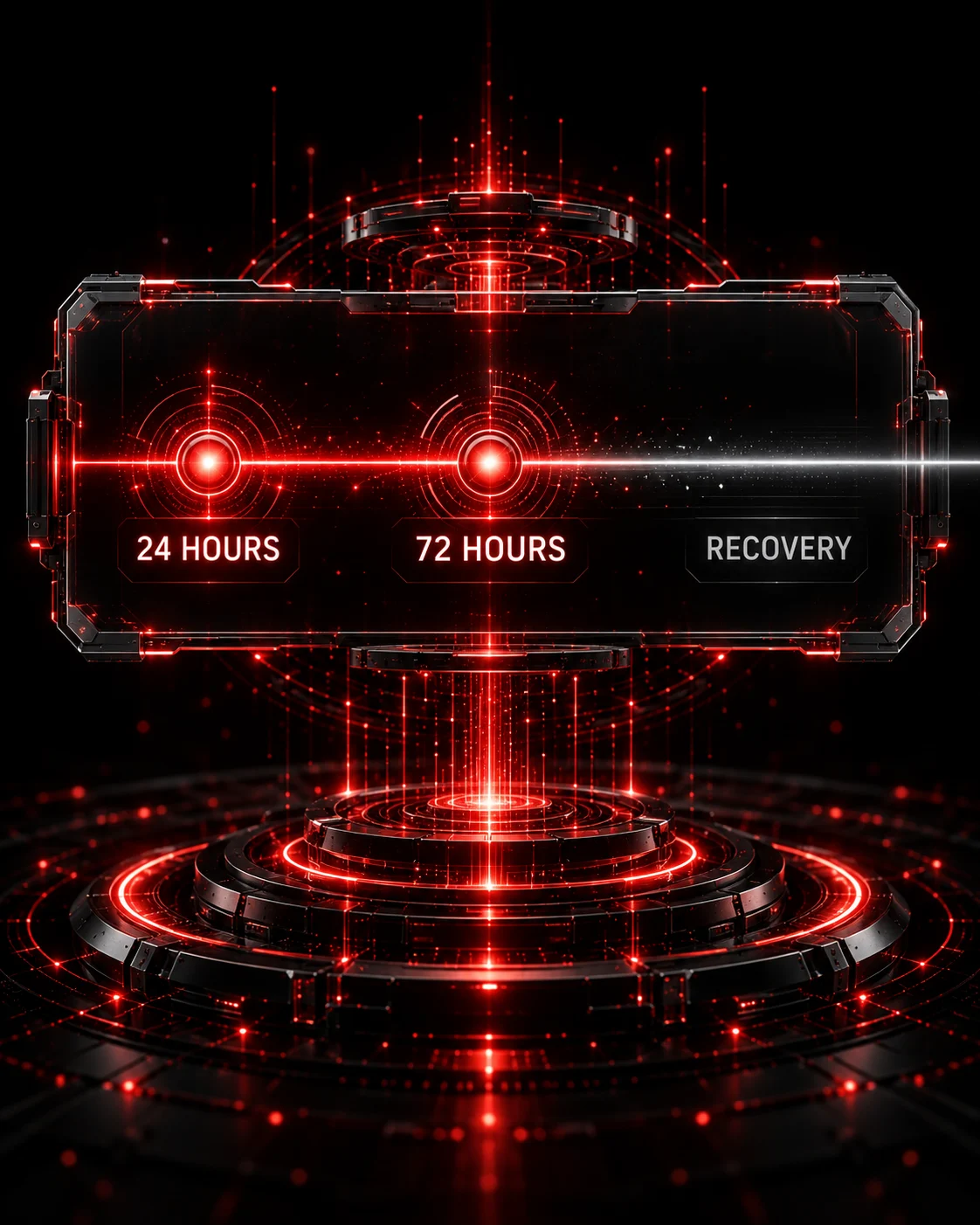
Reputation ER: triage in 24 hours, containment in 72 hours, recovery for as long as the case needs.

Within 24 hours: triage call. A senior team member calls you within one working day of your intake. On the call we confirm the facts, capture the evidence (what ranks, what the AI assistants say, where it is spreading), assess severity, and tell you the first things to do and the first things to avoid. The call is free and ends with a clear answer on whether we can help and roughly what it will take.

Within 72 hours: triage report and containment. If you go ahead, you receive the triage report: a short, dated document showing where the damage sits across search, review platforms, social media and AI answers, its severity, the realistic route, the timeline you should expect, and the price. Containment starts the same day: factual corrections, platform reports where rules were broken, legal or policy takedown requests where they apply, a holding statement placed where it will be found, and monitoring of every name query that matters.

After that: stabilization and recovery. This is where the real work is, and its length depends on the case. Containing the spread takes days. Changing what people and AI assistants find when they search a name takes weeks, and in most cases months, because search engines, publishers and AI models update on their own schedules. Emergency reputation repair is a sprint at the start and a program after it: rebuilding a reputation after a crisis, for a company or for a person, is measured in the same way from the first day (see How we track it). Starting early is the single biggest factor in how long it takes. The triage report tells you the honest range for your case before you commit to anything beyond it.

What we promise, and what we do not

  • We promise our response time. A senior person on the phone within one working day, containment started the day the report is approved.
  • We promise a time frame for coverage. When the plan includes third-party publications, we commit to a delivery window for each placement. If a publisher cannot meet it, we move the piece to one that can. Timing is the point of an emergency service and we do not step away from it.
  • We promise a straight answer on removal. Removal is rarely a yes or a no. Where content breaks the law, a platform's own rules, or a right you hold, removal is a real option and we pursue it. Where it does not, removal is unlikely, and the work is making sure it is no longer the first or the only thing people and AI assistants find. Most cases sit in between, so we usually run both routes at once, and you hear on the triage call how we rate the chances, not after you have paid.
  • We do not promise a date by which everything is over. Nobody can. What we give you is a realistic range for your case, in writing, and progress you can see against it.
  • We do not take a case we cannot help with. If we think we cannot move your situation, you hear that on the call, and it has cost you nothing.

One rule covers all of it: everything we do is legitimate, legal and decent. That is why it holds.

What it costs

The triage call is free. One working day response, no commitment.

The triage report is a fixed fee, stated before you commit.

Stabilization and recovery are priced per case and quoted in the triage report, with the expected duration. No retainer is required to start, and no long-term program is proposed unless the report says it is necessary. For orientation, our published price brackets for reputation work are in the cost guide; emergency cases usually sit in the upper two.

Crisis reputation management for companies and for people

For companies. A business reputation crisis usually lands on a marketing or communications lead who has never handled one, on a day when the CEO, the board and sometimes a regulator are all asking questions. We take the search, review, social and AI side off that person's desk, coordinate with legal counsel where there is one, and work in the brand's own name, in every language the story is running in. When the emergency is over, the case moves into online reputation management for businesses.

For people. A personal reputation crisis brings executives, founders, professionals, influencers and public figures to us when their own name is the problem, or when someone else's problem has attached itself to their name. The work is discreet and handled by a small team that has done this for people in regulated and high-profile positions. What people find when they search your name and what AI assistants say when asked about you are treated as one problem, because to the person asking, they are. When the emergency is over, the case moves into personal reputation management.

How we track it

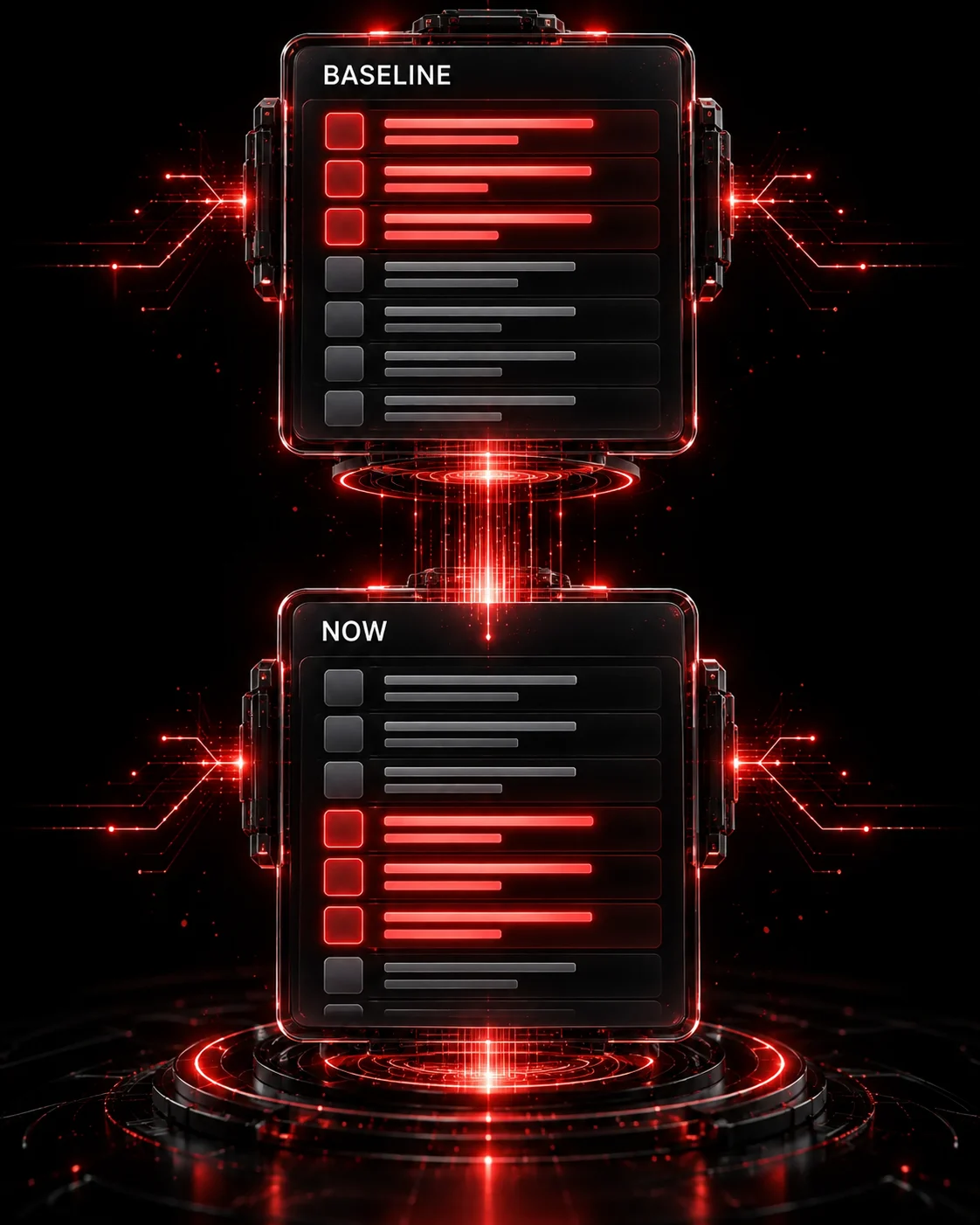
Search results for a name at baseline and now.

Every case starts with a dated baseline: what search shows, what the main AI assistants answer, and where the story stands on review platforms and social media.

We track each name query that matters in each market.

The same checks are repeated at a rhythm set by the case: daily while something is spreading and weekly once it is contained.

We report the results to you in writing, in the same format each time, so progress is visible side by side rather than described.

Frequently asked questions about reputation emergencies

What is a reputation emergency?

Any event where damaging content about a company or a person is gaining visibility faster than you can respond: a wave of negative reviews, an article ranking for your name, a viral post, wrong or damaging answers from AI assistants, leaked information, an incident involving a leader, or someone else's story attaching itself to your name. The test is speed: if it is growing while you read this, it qualifies.

How fast do you respond?

A senior team member contacts you within one working day of your intake, usually sooner, and containment starts the day you approve the triage report. When the plan includes third-party coverage, each placement comes with a delivery window we stand behind.

Can you get the article or the reviews taken down?

Sometimes, and we always check. Where content breaks the law, a platform's rules or a right you hold, removal is a real option and we pursue it. Where it does not, removal is unlikely, and the work is making sure it is no longer the first or only thing people and AI assistants find. In most cases we run both routes at once, and you hear on the triage call how we rate the chances.

Someone with my name is in the news. Can that really affect me?

Yes, and quickly. Search engines and AI assistants match on names. If a person or a company sharing your name is arrested, sued, sanctioned or exposed, a search for your name can show their story within days, and AI assistants can answer questions about you with their facts. Separating the two identities across search and AI is one of the most common things we do.

How long does it take?

Containing the spread takes days. Changing what people and AI assistants find when they search a name takes weeks, and in most cases months, because search engines, publishers and AI models update on their own schedules. The triage report gives you the honest range for your case before you commit.

Is this the same as crisis PR?

It overlaps. A crisis PR agency or crisis communications firm is about what you say. Reputation ER is about what people find and what AI assistants repeat, during and long after the crisis. We work with your PR team where you have one.

How do I get help with online reputation crisis management?

Fill in the emergency intake on this page, or message us on WhatsApp or Telegram. A senior team member calls you within one working day, confirms the facts, captures the evidence and tells you whether we can help and what it takes. The call is free and carries no commitment.

Do you handle IP reputation, domain reputation or email deliverability problems?

No. Those are IT and email security issues. This page is about the reputation of companies and people in search results, on review platforms, on social media and in AI answers.

Reputation, digital PR and search, since 2008

Online reputation, digital PR and search work in more than 15 languages, for brands in regulated and high-risk sectors and for the people who lead them. Monitoring and correcting what AI assistants say is part of every case we take today. We work as crisis reputation management consultants alongside your legal counsel and your PR firm where you have them. The emergency method on this page comes from our own background in emergency management and crisis communication research.

Start emergency intake

Ready To Upscale Your Business?

Send Us a Message Now!